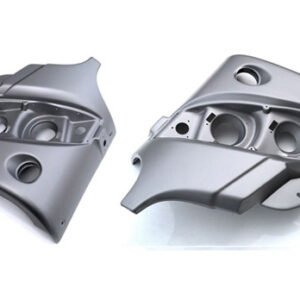
Thermoforming is a simple and highly versatile manufacturing process where a plastic sheet is heated until it becomes flexible and then shaped using a mold. Because it’s fast, affordable, and adaptable, thermoforming is widely used across multiple industries. Here are some of the most common applications:
Packaging:
Blister Packaging: Thermoforming is commonly used to create blister packs for products like medicines, electronics, and everyday consumer items—offering clear visibility and safe protection.
Clamshell Packaging: Ideal for packaging toys, gadgets, and small hardware items, providing durability and a clean, attractive display.
Automotive:
Interior Components: Thermoforming is used to create lightweight and cost-effective parts like dashboards, door panels, and trims.
Exterior Components: Certain exterior vehicle parts, such as panels and protective housings, can also be formed through this method.
Medical Industry:
Medical Trays: Thermoformed trays help safely organize and protect medical tools during transport and storage.
Prosthetics and Orthotics: Custom-fit prosthetics and orthotic devices are often created using thermoforming due to the precision and comfort it provides.
Appliances:
Covers and Panels: Thermoforming is widely used to produce durable and stylish covers and panels for home appliances.
Consumer Goods:
Toys and Games: Many toy components and game accessories are created using thermoforming because it easily produces detailed shapes.
Displays and POP Materials: Retail displays and point-of-purchase stands are often thermoformed to achieve eye-catching designs and sturdy structures.
Electronics:
Housings and Enclosures: Thermoforming is perfect for creating protective housings and enclosures for various electronic devices.
Aerospace:
Interior Components: Many aircraft interior parts—such as seating elements and interior panels—are made with thermoforming due to its lightweight nature.
Construction:
Architectural Panels: Thermoformed panels are used to create decorative and functional building elements with unique textures and shapes.
Horticulture:
Plant Trays and Pots: Nurseries and horticulture businesses often use thermoformed trays and pots because they’re lightweight and easy to produce in large quantities.
Custom Products:
Custom Packaging: Thermoforming is great for creating tailor-made packaging that fits specific product shapes and sizes.
Prototyping: It’s also a cost-effective option for making prototypes before moving to mass production, allowing quick design adjustments.
Thermoforming remains a trusted, budget-friendly, and efficient way to produce plastic components of many shapes and sizes. Its flexibility makes it a popular choice across industries, with each application tailored to the needs of the product and the market it serves.